





Bühnenbeleuchtung Sicherheit 101: Ein praktischer Leitfaden für Veranstaltungen und Installationen

Die meisten Beleuchtungstipps hören bei „was gut aussieht“ auf. Dieser beginnt dort, wo das eigentliche Risiko liegt. Eine Bühnenbeleuchtungsanlage ist ein Stapel von elektrischen, thermischen und optischen Gefahren, verpackt, um wie Dekoration auszusehen – und die Ausfälle sind langweilig, bis sie es nicht mehr sind: ein ausgelöster Sicherungsautomat mitten im ersten Tanz, eine zu heiße Leuchte, um sie zu berühren, oder ein Laser, der dorthin gerichtet ist, wo er niemals hingehen sollte. Nichts davon ist schwer zu vermeiden, wenn man es plant.
Dies ist die Sicherheitsgrundlage, an die wir uns bei unseren eigenen Aufbauten halten. Sie wurde für DJs, Planer und Veranstaltungspersonal geschrieben, die das Problem lieber verhindern als erklären möchten. Für die Einrichtungseite behandelt unser Leitfaden für Hochzeitsbeleuchtung das Design; dieser hier behandelt, wie man sich nicht verletzt.
Zuletzt aktualisiert: August 2026
Wenn bereits etwas schiefgegangen ist, deckt unser Fehlerbehebungsleitfaden für Bühnenbeleuchtung die häufigsten Gründe ab, warum Lichter nicht angehen – und wie man sie behebt.
Warum Sicherheit der Teil ist, den Sie nicht überspringen können
Beleuchtung versagt erst leise und dann laut. Ein Dimmer, der überhitzt, riecht, bevor er ausfällt; ein Laser, der auf eine Menschenmenge gerichtet ist, versagt in dem Moment, in dem er ein Auge trifft. Das Muster bei fast jedem Vorfall ist dasselbe: Eine kleine, vorhersehbare Sache wurde nicht eingeplant. Dieser Leitfaden sammelt diese kleinen Dinge in einer Checkliste, die Sie in zehn Minuten durchgehen können.
Zwei Prinzipien decken das meiste ab: Respektieren Sie die Wattzahl und respektieren Sie den Strahl. Alles Weitere sind Details dazu.
Elektrik: Last, Stromkreise und Schutzschalter
Elektrizität ist der Ausgangspunkt der meisten Ausfälle am Abend. Die Mathematik ist einfach und wissenswert.
Wie viel kann ein Stromkreis aufnehmen?
In vielen Regionen ist ein Standard-Stromkreis 15 A bei 120 V, was etwa 1.800 W entspricht. Eine sichere Arbeitsregel ist, ihn nicht mehr als 80 % zu belasten – etwa 1.440 W – und ihn niemals mit Wärmern, Kaffeemaschinen oder Aktivlautsprechern des Caterers zu teilen. In 230-V-Regionen führt derselbe 15-A-Stromkreis wesentlich mehr (etwa 3.450 W bei 80 %), aber die Disziplin ist identisch: Watt zusammenzählen, unter dem Limit bleiben.
Die Beziehung ist einfach: Ampere = Watt ÷ Volt. Wenn Sie unsicher sind, wie Sicherungen einen Stromkreis schützen, erklärt der allgemeine Hinweis zum Schutzschalter den Mechanismus. LED-Leuchten sind effizient, aber ein komplettes Rig aus Pars, Lasern und einer Hazemaschine summiert sich immer noch schneller, als die Intuition vermuten lässt.
Praktische elektrische Regeln
- Kartieren Sie Ihre Stromkreise. Wissen Sie, welche Steckdosen sich einen Sicherungsautomaten teilen, bevor Sie etwas einstecken. Ein günstiger Steckdosentester mit Sicherungsfinder macht sich beim ersten Auftrag bezahlt.
- Verteilen, nicht stapeln. Verteilen Sie die Leuchten auf mehrere Stromkreise; halten Sie die Effekt-Ebene, wenn möglich, separat.
- Jedes Kabel abkleben und schräg verlegen. Jede Leitung, die einen Weg kreuzt, ist eine Stolperfalle und eine Haftungsfrage, kein Detail.
- Verwenden Sie das richtige Kabel. Für Außenbereiche und lange Strecken benötigen Sie Kabel, das für die Entfernung und die Bedingungen ausgelegt ist; unterdimensionierte Kabel erhitzen sich unter Last.

Laser-Konformität und Augensicherheit
Laser sind die einzige Kategorie, bei der ein Fehler sofort und irreversibel ist, daher sind die Regeln hier nicht verhandelbar.
Die Vorschriften kennen
In den Vereinigten Staaten werden Laserprodukte von der FDA gemäß 21 CFR 1040 reguliert; konforme Publikumsscan-Leuchten sind speziell für diesen Zweck entwickelt und zertifiziert. In der EU ist die entsprechende Kennzeichnung CE, mit Klassifizierung nach Gefahrenklasse. Gehen Sie niemals davon aus, dass ein Laser, der für „Effekt“-Zwecke gekauft wurde, legal ist, um über eine Menschenmenge zu scannen – überprüfen Sie die Zertifizierung für den genauen Verwendungszweck, den Sie beabsichtigen. Der FDA-Leitfaden zur Regulierung von Laserprodukten ist die maßgebliche Quelle; die breitere Wissenschaft ist im Referenzwerk zur Lasersicherheit zu finden.
Betriebsregeln zur Verletzungsvermeidung
- Niemals auf Augenhöhe über einen besetzten Bereich richten. Strahlen über Kopfhöhe halten; nach unten oder außen lenken, niemals über Gesichter.
- Verwenden Sie für diesen Zweck nur für Audience-Scanning zertifizierte Geräte. Ein Standard-Effektlaser ist dazu gedacht, Oberflächen und Nebel zu treffen, nicht Netzhäute.
- Weisen Sie einen Bediener zu. Sound-aktive Laser, die zufällig strahlen, stellen das höchste Risiko in einem Raum mit Personen dar. Manuelle Steuerung mit einem bewussten Bediener ist sicherer.
- Für Kameraleute einen Hinweis anbringen. Gerichtete Strahlen können auch Kamerasensoren beschädigen; halten Sie sie außerhalb des Aufnahmebereichs.
Für die verantwortungsvolle Auswahl der Effekt-Ebene beleuchtet unser Laser- vs. Discokugel-Vergleich die Kompromisse.

Wärme, Belüftung und Betriebszeit
Selbst kühl laufende LED-Leuchten erzeugen Wärme, und Wärme ist das, was die Lebensdauer einer Leuchte verkürzt oder im schlimmsten Fall einen Brand auslöst.
- Niemals eine Leuchte abdecken. Stoff, Schaumstoff oder ein vergessener Gelfahrrahmen auf einer heißen Linse ist das klassische Überhitzungsszenario. Halten Sie Abstand über und um jedes Gerät herum.
- Geschlossene Räume belüften. In einem geschlossenen Booth montierte Truss-Leuchten benötigen Luftzirkulation; ein heißer, abgedichteter Kasten ist ein Fehler, der auf einen Termin wartet.
- Beachten Sie den Einschaltdauer. Hochleistungs-Effektgeräte sind nicht immer für einen Dauerbetrieb von 100 % ausgelegt. Wenn ein Gerät zu heiß wird, um es zu berühren, reduzieren Sie die Leistung oder tauschen Sie es aus.
- Vor dem Verpacken abkühlen lassen. Ein hitzegesättigtes Gerät in einem gepolsterten Koffer zu verstauen, führt dazu, dass Wicklungen und Steckverbinder schnell altern. Abkühlung ist Teil des Abbaus.
Ständer, Gewicht und Wind
Ein Lichtstativ ist ein Hebel mit einem schweren Objekt oben drauf. Die Ausfallart – Umkippen – ist vollständig vermeidbar.
- Jedes Stativ mit Sockelgewichten versehen. Sandsäcke oder spezielle Sockel, entsprechend der Last und Höhe dimensioniert. Ein fallendes Gerät beendet einen Abend und kann jemanden verletzen.
- Lasten zentriert halten. Ausleger und außermittige Leuchten vervielfachen die Kippkraft; halten Sie die Masse über dem Fuß.
- Wind im Freien berücksichtigen. Zelt- und Gartenaufbauten erhöhen die Windlast auf Stative. Senken Sie die Höhe, fügen Sie Gewicht hinzu und sichern Sie Abspannleinen, wenn der Platz es zulässt. Batteriebetriebene Leuchten sind leichter und kippen leichter, nicht weniger – beschweren Sie sie gleich.
- Kabel nicht am Gelenk des Stativs führen. Ein im Kupplung gefangenes Kabel führt dazu, dass ein Stativ sich geräuschlos absenkt.
Haze und Nebel: richtig anwenden, nicht missbrauchen
Haze macht Strahlen sichtbar, ist aber auch ein Atem- und Sichtfaktor, den Sie kontrollieren.
- Verwenden Sie wasserbasierten Haze, der für den Innenbereich geeignet ist, bei geringer Leistung und in einem belüfteten Raum. Ölbasierten Flüssigkeiten hinterlassen Rückstände und sind für die meisten Innenveranstaltungen ungeeignet.
- Veranstaltungsortregeln bestätigen. Viele Veranstaltungsorte verbieten Haze oder Nebel ganz oder beschränken ihn auf bestimmte Stunden. Fragen Sie, bevor Sie ihn spezifizieren – er löst bei Überbeanspruchung auch Rauchmelder aus.
- Haze mit zurückhaltender Laserleistung kombinieren. Die Kombination ist spektakulär und sicher, wenn der Laser zertifiziert und hoch ausgerichtet ist; rücksichtslos, wenn eines davon nicht der Fall ist.
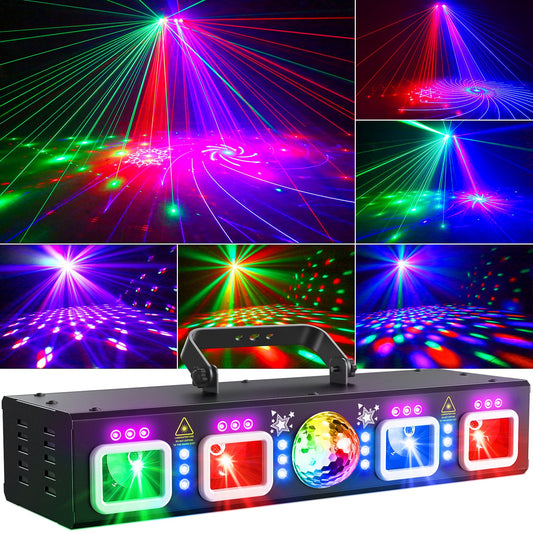
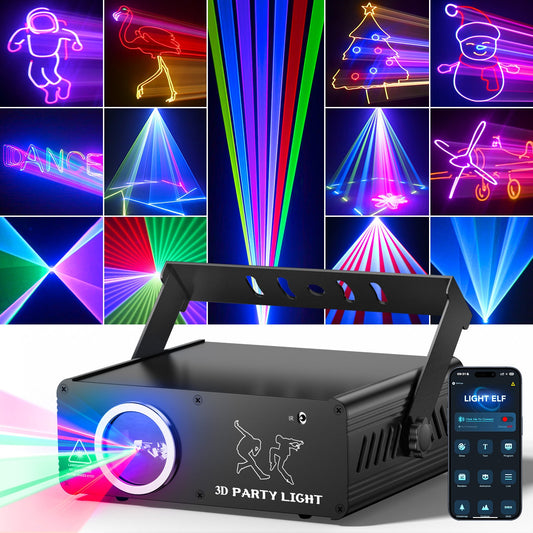
Für einen kontrollierten Einstieg in die Effektbeleuchtung ist der L2400 3D RGB-Laser für den Effektgebrauch bei richtiger Handhabung konzipiert, und die L2500 6-in-1 liefert Muster- und Goboprojektionen, die als „Effekt“ wirken, ohne einen rohen Strahl zu verwenden.
Eine Sicherheitscheckliste vor der Veranstaltung
- Schaltkreise kartieren; Stromstärke und gemeinsame Sicherungen auflisten.
- Gesamte Leistung der Leuchten pro Stromkreis; unter 80 % des Limits bleiben.
- Zertifizierung jedes Lasers für den vorgesehenen Einsatz überprüfen (FDA 21 CFR 1040 / CE).
- Bestätigen, dass Strahlen über Kopfhöhe bleiben; einen Laserbediener zuweisen.
- Freiraum um jede Leuchte; nichts bedeckt Lüftungsschlitze oder Linsen.
- Jeden Ständer beschweren; Kabel von Gelenken und Wegen fernhalten.
- Bestätigen, dass Haze erlaubt ist; nur wasserbasierten Haze mit geringer Leistung verwenden.
- Eine Ersatzleuchte und die richtigen Adapter einpacken; Geräte vor dem Verpacken abkühlen lassen.
Bauen Sie ein sichereres Rig mit KeoBin
Gute Gewohnheiten zählen – ebenso wie Ausrüstung, die für stabile, vorhersehbare Aufbauten konzipiert ist:
- DJ-Lichter mit Stativ – stabile Basen reduzieren das Kipprisiko auf belebten Böden.
- KeoBin Party- & DJ-Bühnenbeleuchtung – Leuchten mit DMX-Steuerung für überwachten, wiederholbaren Betrieb.
- Bühnenlaserleuchten – überprüfen Sie die oben genannten Hinweise zur Augensicherheit, bevor Sie einen Strahl richten.
Häufig gestellte Fragen
Wie viele Watt sind an einer Steckdose sicher?
Bei einem typischen 15 A / 120 V Stromkreis sollten Sie etwa 1.440 W (80 % von 1.800 W) als Arbeitsgrenze betrachten und diesen Stromkreis niemals mit Küchengeräten teilen. Zählen Sie jede Leuchte zusammen, bevor Sie sie anschließen.
Ist es legal, einen Laser über das Publikum zu richten?
Nur mit einer Leuchte, die für das Publikumsscanning gemäß der geltenden Vorschrift zertifiziert ist (in den USA, FDA 21 CFR 1040). Ein Standard-Effektlaser ist es nicht. Überprüfen Sie die Zertifizierung für den genauen Verwendungszweck, bevor Sie ihn auf Personen richten.
Können LED-Leuchten wirklich überhitzen?
Ja. Sie laufen kühler als herkömmliche Lampen, erzeugen aber immer noch Wärme; das Abdecken von Lüftungsschlitzen, das Einschließen in eine unbelüftete Box oder der kontinuierliche Betrieb von Hochleistungsgeräten kann sie überhitzen. Halten Sie Abstand und beachten Sie die Einschaltdauer.
Brauchen Batterieleuchten weniger Sicherheitspflege?
Nein – sie beseitigen Verkabelungsgefahren, benötigen aber dennoch eine Stativbeschwerung (sie sind leichter und kippen leichter), korrektes Laden fern von Feuchtigkeit und den gleichen elektrischen Respekt, wenn sie an der Wand geladen werden.
Fazit
Sichere Beleuchtung ist meist langweilige Disziplin: Watt addieren, Strahl hoch halten, Stative beschweren, Leuchten belüften. Nichts davon ist schwer, und alles ist billiger als die Alternative. Planen Sie diese acht Punkte der Checkliste einmal, und sie werden zur Gewohnheit – die Art von Gewohnheit, die es ermöglicht, dass die Effekt-Ebene mit dem Tanz statt mit einem Krankenwagen eintrifft.
Durchsuchen Sie die gesamte KeoBin Beleuchtungskollektion und bauen Sie ein Rig, das gut aussieht und die ganze Nacht sicher läuft.
Weiterführende Lektüre
- Hochzeitsbühnenbeleuchtung: Ein Designer-Leitfaden für Atmosphäre, Schichtung und zuverlässige Ausrüstung – die Designgrundlage.
- Was sind PAR-Lichter? Ein Anfängerleitfaden zur LED-PAR-Beleuchtung – das sparsame Arbeitstier.
- Disco-Laserlicht vs. Discokugel: Was ist besser für Ihre Party? – verantwortungsvolle Auswahl der Effekt-Ebene.
- Einsteiger DMX512 Beleuchtungs-Setup-Leitfaden für kleine Veranstaltungen und Hauspartys – kontrollierter, wiederholbarer Betrieb.
- Sound-aktivierte vs. DMX vs. App-gesteuerte Partylichter – warum ein Bediener bei Lasern wichtig ist.
- Wie ein einfaches Laserlicht mein Home-Party-Setup komplett verändert hat – ein kompakter Effekt, sorgfältig behandelt.
- Wiederaufladbare & batteriebetriebene Partylichter: Der Einkaufsführer 2026 – kabellose Eventbeleuchtung.
- Leitfaden für die Außen- und Gartenpartybeleuchtung (2026)
- Wie Sie Ihr erstes DJ-Beleuchtungs-Setup wählen
- UV-Schwarzlicht & Glow Party Ideen (Komplettanleitung)
Autoritative Sicherheitsreferenzen für Bühnenbeleuchtung
- OSHA Leitlinien zur elektrischen Sicherheit
- FDA Leitlinien für Laserprodukte und -instrumente
- ESTA Technisches Normenprogramm