

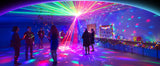
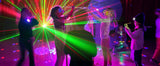
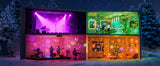




Iluminación para eventos según el entorno: Configuraciones para bodas, transmisiones en vivo y bares que funcionan.
Una buena iluminación para eventos no consiste en comprar la mayor cantidad de luminarias. Se trata de interpretar el espacio disponible y decidir, con precisión, qué ambiente debe transmitir en cada momento de la velada. Una misma luminaria puede parecer común en un entorno y transformadora en otro, porque el contexto —la altura del techo, el color de las paredes, la ubicación de los asistentes y la perspectiva de la cámara— es fundamental.
Esta guía recorre tres entornos que requieren enfoques muy diferentes: una boda, una transmisión en vivo y un bar o local pequeño. El objetivo no es una receta universal, sino una forma de pensar que se puede aplicar en cualquier lugar. Para obtener información más detallada sobre las cuatro capas de luz y los detalles técnicos que afectan los tonos de piel, consulte nuestra Guía completa de iluminación para bodas.
Última actualización: agosto de 2026.
Empieza por la habitación, no por los accesorios.
Antes de elegir una sola luz, recorra el espacio y responda cuatro preguntas. Estas determinarán todo lo demás:
- ¿Cuáles son las superficies? Una pared blanca lisa es un reflector gigante; el ladrillo oscuro absorbe la luz. La madera y los tonos cálidos favorecen la piel, mientras que las habitaciones grises frías necesitan iluminación más cálida para evitar una sensación aséptica.
- ¿Dónde se reúne la gente? La pista de baile, la mesa principal y la barra son las tres zonas que casi siempre merecen atención. Ilumina la actividad, no los rincones vacíos.
- ¿Qué altura tiene el techo? Los techos bajos reflejan la luz rápidamente y hacen que la iluminación indirecta parezca una simple mancha; las habitaciones altas y abiertas absorben los haces de luz estrechos y se benefician de una cobertura más amplia.
- ¿Qué ve la cámara? Si alguien está grabando o transmitiendo en directo, la exposición y la precisión del color pasan de ser algo deseable a algo imprescindible.
La conclusión práctica: dos locales con la misma superficie pueden necesitar equipos completamente diferentes. Decide qué ambiente quieres crear y deja que ese ambiente determine el equipamiento.

Boda: la intimidad primero, el espectáculo después.
Una boda es una sucesión de emociones. La ceremonia busca ser tranquila y cálida; el primer baile, un foco de luz concentrado; la recepción, energía. Intentar mantener el mismo estilo toda la noche le resta encanto a la experiencia.
Una estructura confiable tiene tres capas. Primero, una capa baja y cálida. base ambiental — Las luces de batería colocadas a lo largo de una pared o dosel dan un brillo suave que transmite intimidad y se ve precioso en las fotografías. Segundo, iluminación ascendente Colocado en el suelo y dirigido a columnas o cortinas, crea arquitectura y color sin deslumbrar a los invitados; 12×16W recargable par es muy adecuado aquí porque su batería interna elimina el riesgo de tropiezo que supone el cableado a través de un pasillo. En tercer lugar, una moderación efecto para la pista de baile — una Lámpara de discoteca 6 en 1 Proyectar patrones lentos mantiene el momento festivo sin sobrecargar la conversación.
En cuanto a la explicación técnica de la elección de colores, el concepto de temperatura de color explica por qué un blanco cálido (aproximadamente 2700–3000 K) resulta apropiado para una ceremonia, mientras que un tono más frío puede dar una impresión institucional. Mantén una atmósfera cálida en la ceremonia y deja que la recepción adquiera tonos más fríos y saturados a medida que avanza la noche.
Transmisión en directo: incluso la luz en la que la cámara puede confiar
Una cámara es menos indulgente que el ojo humano. Exagera los puntos brillantes, recorta los colores saturados y convierte el parpadeo, invisible para el ojo humano, en bandas visibles en la grabación. Las prioridades cambian.
- Relleno frontal plano. Dos focos PAR dirigidos al sujeto desde la parte frontal izquierda y frontal derecha, con una iluminación uniforme, eliminan las sombras duras mejor que una sola luz principal dramática.
- Estabilidad por encima del movimiento. El modo activado por sonido, que se sincroniza con la música, luce genial en una habitación, pero es terrible en una transmisión en directo. Usa el control manual o la aplicación y mantén la vista fija.
- Precisión del color. El índice de reproducción cromática (IRC) es importante: un IRC más alto significa que los tonos de piel se reproducen fielmente. Consulta las especificaciones antes de comprar los dispositivos que vayas a usar para la transmisión en directo.
Los accesorios de batería también ayudan aquí, porque una configuración de transmisión en vivo a menudo se monta de forma improvisada en una habitación que no está cableada para ello; LSistema 7 en 1 2700B Te ofrece lavado, efectos y control en un solo soporte sin necesidad de conectar cables a una toma de corriente lejana.

Bar y local: acento, ambiente, energía
En cierto modo, un bar es lo opuesto a una boda: el objetivo es crear un ambiente agradable y constante, no una sucesión de escenas preestablecidas. Se busca que los invitados sientan que el lugar está animado desde el momento en que entran, y que ese ambiente se mantenga así.
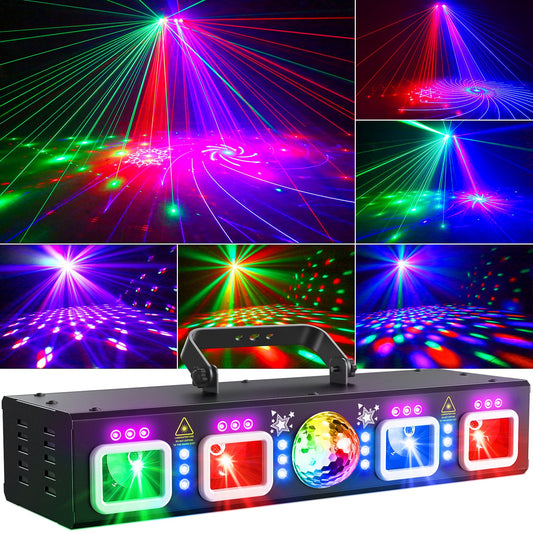
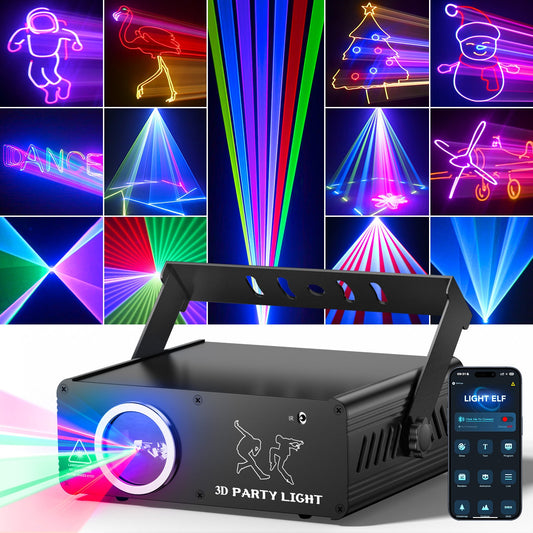
El caballo de batalla es iluminación ascendente de acento en la barra trasera y cualquier elemento arquitectónico, además de una suave capa ambiental para que el espacio nunca se oscurezca por completo entre canciones. Para la energía, un láser RGB La iluminación ambiental crea una sensación de volumen y movimiento en toda la sala: los láseres proyectan un haz, no un charco, por lo que llenan el espacio en lugar de iluminarlo con focos. Si a esto le sumamos la iluminación ambiental en la pista de baile, obtenemos una sala que genera su propio dinamismo.
El control importa en un local que funciona noche tras noche. Estándar DMX512 mantenido por ESTA permite que un solo operador recuerde un aspecto ensayado para el tema de cada noche en lugar de reconstruirlo manualmente. Para un punto de entrada práctico, nuestro Guía de configuración DMX512 Recorre un pequeño circuito repetible.
Una receta de capas reutilizable
En los tres entornos funciona el mismo esqueleto. Ajusta la proporción, nunca el orden:
- Base (40%): Iluminación ambiental y en cadena que define el nivel mínimo de luminosidad de la habitación.
- Acento (30%): Iluminación indirecta y efectos de luz que dan forma y color al espacio.
- Enfoque (20%): Un área clave —mesa principal, producto, escenario— que atrae la mirada.
- Efecto (10%): Láser, gobo o movimiento que aporta vitalidad sin dominar la escena.
Cuando una configuración no funciona correctamente, casi siempre se debe a que la capa de efectos se ha excedido. Redúzcala antes de añadir más dispositivos.

Planificación de energía y cableado
La diferencia entre una configuración que impresiona y una que falla a mitad del evento casi siempre radica en la energía, no en los accesorios. Dos reglas:
- Conoce tus circuitos. Un circuito derivado típico en muchos recintos es de 15 A. Sume la potencia de todos los aparatos conectados; las luminarias LED son eficientes, pero un sistema completo sigue consumiendo bastante. Divida la potencia entre varios circuitos siempre que sea posible.
- Elimine los riesgos de tropiezo. Los accesorios de batería eliminan toda una clase de problemas. Donde deba pasar cables, fíjelos con cinta adhesiva y páselos a lo largo de las paredes. Sociedad de Ingeniería de Iluminación Publica prácticas de iluminación que, entre otras cosas, consideran la instalación segura y sin deslumbramiento como parte de un buen diseño.
Un ejemplo de plano de una habitación
Para una habitación de 40×30 pies con un techo de 10 pies de altura y capacidad para 80 invitados:
- 4× par recargable como luces ascendentes en el perímetro (batería, sin cable).
- 1 tira de focos LED a batería colocada a lo largo de la pared trasera para crear una iluminación ambiental de fondo.
- 2× Accesorios de discoteca 6 en 1 en soportes para el efecto de pista de baile.
- 1× láser RGB En una repisa trasera para un haz que llene la habitación, utilizado con una neblina controlada.
Se trata de un sistema completo y controlable de una sola marca, lo que también simplifica el soporte y las piezas de repuesto. Si no está seguro de cuántas luminarias necesita su habitación, nuestro guía de tamaños de habitaciones hace los cálculos.
Errores que conviene evitar
- Iluminar un espacio vacío. Apunta hacia donde está la gente, no hacia paredes sin nada delante.
- Sobresaturación. El magenta intenso en todas las superficies da la impresión de ser una discoteca, no un evento organizado. Usa la saturación como condimento.
- Ignorando la cámara. Si alguien va a grabar, pruebe la imagen en un teléfono antes de que lleguen los invitados.
- Olvidarse del interruptor de apagado. Para los discursos, opta por una apariencia tranquila y sobria, y para los actos de servicio, una más luminosa; la clave está en la capacidad de cambiar el ambiente.
Preguntas frecuentes
¿Puedo iluminar un local si no hay suministro eléctrico cerca?
Sí. Los focos a batería, como el PAR recargable, funcionan durante toda la noche con una sola carga para iluminación ascendente y de ambiente. Si es necesario, reserve la alimentación por cable para focos de efectos de alta potencia.
¿Qué nivel de neblina es seguro en interiores?
Utilice una niebla a base de agua apta para uso en interiores, a baja potencia, y asegúrese de que la habitación esté bien ventilada. Mantenga los láseres a la potencia indicada por el fabricante y nunca los apunte a la altura de los ojos en zonas concurridas.
¿Necesito DMX para un evento pequeño?
No necesariamente. El control mediante aplicación o activado por sonido es suficiente para muchas fiestas. DMX se gana su lugar cuando se desea que el mismo aspecto se repita de forma fiable noche tras noche; consulte nuestra comparación del modo de control.
Lecturas relacionadas
- Iluminación para escenarios de bodas: Guía de diseño para crear ambiente, superponer capas y elegir equipos fiables.
- ¿Cuántas luces de fiesta necesito? La guía completa sobre el tamaño de la sala y la iluminación del escenario.
- ¿Qué son las luces PAR? Una guía para principiantes sobre la iluminación LED PAR.
- Guía básica para configurar la iluminación DMX512 en eventos pequeños y fiestas en casa.
- Luces recargables y a pilas para fiestas: Guía del comprador 2026 — Equipos de baterías para patio trasero y bar.
Iluminación comercial por Event Environment
Luces PAR para bodas y transmisiones en vivo con efecto de lavado de color.
Luces de DJ con soporte para la cobertura de espacios portátiles y pistas de baile.
Luces de fiesta Para bares, salas de karaoke y eventos activados por sonido.