





Iluminación para escenarios de bodas: Guía de diseño para crear ambiente, superponer capas y elegir equipos fiables.

La iluminación es la decisión más silenciosa en la mayoría de las bodas, y la que los invitados recuerdan más. Una sala que simplemente está iluminada se siente como una conferencia; una sala que está conformado La iluminación se convierte en una ocasión especial. La diferencia rara vez radica en el presupuesto, sino en si la iluminación se planificó como un aspecto del diseño en lugar de considerarse un detalle secundario.
Esta guía está dirigida a parejas, organizadores de eventos y DJs que buscan un resultado visualmente impactante. Evitaremos la jerga técnica y explicaremos cómo se crea la iluminación profesional para eventos, qué detalles técnicos son importantes para los tonos de piel y la fotografía, y cómo armar un sistema de iluminación confiable con los equipos de KeoBin para espacios de cualquier tamaño.
Última actualización: agosto de 2026
En esta guía
- Empieza por el lugar, no por el catálogo.
- Las cuatro capas de luz nupcial
- Temperatura de color y reproducción cromática
- Sistemas de control: DMX, activado por sonido y aplicación
- Accesorios que combinen con el espacio
- Energía, seguridad y logística
- Un proyecto de KeoBin para tres presupuestos diferentes.
- Errores que conviene evitar
- Una lista de verificación para una planificación rápida
- Preguntas frecuentes
- Lecturas relacionadas
Empieza por el lugar, no por el catálogo.
Antes de examinar cualquier accesorio, responda cuatro preguntas sobre el espacio. Estas determinarán todo lo demás:
- Altura del techo y puntos de anclaje. Un salón de baile de 3,6 metros no se comporta como una carpa diáfana de 9 metros. Los techos bajos obligan a usar iluminación indirecta y luz ambiental; en espacios altos se pueden usar estructuras de truss y luminarias colgantes.
- Disponibilidad de energía. Cuenta los circuitos dedicados y su amperaje. Un fallo común se produce al conectar demasiados aparatos eléctricos en serie a una misma toma de corriente, lo que provoca que salte el disyuntor en pleno funcionamiento.
- En interiores, exteriores o en carpas. Las instalaciones exteriores y las de carpas requieren protección contra la intemperie, limitan la longitud del cable y protegen los soportes contra el viento. Las luminarias alimentadas por batería cambian completamente la situación.
- Toques de queda y visibilidad. Algunos recintos exigen que las luminarias estén apagadas a una hora determinada o prohíben el uso de humo y niebla. Confirme esta norma antes de especificar el equipo.
Si solo vas a hacer una cosa, haz esto: visita el lugar del evento a la hora en que se celebra y fotografíalo con las luces encendidas. Esa simple referencia te dirá más que cualquier ficha técnica.
Las cuatro capas de luz nupcial
Los diseños profesionales casi nunca utilizan un solo tipo de luz. Apilan cuatro capas, cada una con una función:
1. Luz base/ambiental
Esta es la iluminación uniforme y confortable que permite comer, leer el menú y moverse con seguridad. Generalmente, se trata de la iluminación ambiental del local, atenuada, a veces con un tono más cálido. Mantén una iluminación sutil durante la cena: los comensales deben sentirse cómodos, no interrogados.
2. Iluminación de acento y ascendente
Las luces ascendentes colocadas en el suelo, dirigidas a paredes, columnas o cortinas, transforman una habitación plana en una habitación diseñada. lavado PAR Utilizar un solo color sobrio (o una transición gradual entre dos) es la mejora de mayor impacto y menor riesgo que la mayoría de las bodas pueden realizar.

3. Característica y enfoque
Resalta lo que realmente importa: la pareja durante los discursos, el pastel, la mesa principal, el primer baile. Una luz principal enfocada y con la exposición correcta es algo que tu fotógrafo te agradecerá en silencio.
4. Efecto y energía
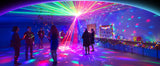
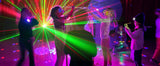
Esta es la capa de "fiesta": patrones en movimiento, animación láser, luces estroboscópicas, haces de luz que se filtran entre la niebla. Debe permanecer apagada durante la cena y encenderse cuando se abre la pista de baile. Bien utilizada, indica un cambio de ambiente; usada constantemente, agota la energía del lugar.

Temperatura y reproducción del color: por qué tus fotos dependen de ello
Dos parámetros determinan si las personas se ven bien bajo tus luces.
Temperatura de colorLa temperatura de color, medida en kelvin, describe si la luz se percibe cálida o fría. La luz cálida (aproximadamente 2700–3200 K) es más suave para la piel y transmite una sensación romántica; la luz fría, similar a la luz del día (5000 K o más), transmite una sensación clínica. La mayoría de los diseños de bodas se inclinan por la gama cálida para la cena y solo incorporan colores saturados para lograr un efecto visual.
Índice de reproducción cromática (IRC) mide con qué precisión una luz revela el color real de lo que ilumina. Una luminaria con bajo CRI puede hacer que un vestido color marfil parezca gris y una mejilla sonrojada parezca extraña. Para cualquier cosa cerca de la pareja o la comida, prefiera fuentes con alto CRI. Vale la pena comprender ambos conceptos antes de comprar; consulte las referencias sobre temperatura de color y el Índice de Reproducción Cromática. Para la práctica del diseño formal, el Sociedad de Ingeniería de Iluminación (IES) publica las normas de iluminación subyacentes.
Sistemas de control: DMX, activado por sonido y control mediante aplicación.
La pregunta "¿Cómo se controla?" es más importante que "¿Cuántos vatios?" para que el evento se desarrolle sin problemas.
- DMX512 es el protocolo digital estándar de la industria (definido por el estándar ANSI E1.11, mantenido por ESTA) que permite que una sola consola controle con precisión múltiples dispositivos. Es la opción ideal cuando se busca una apariencia uniforme y repetible.
- Activado por sonido Este modo permite que los dispositivos reaccionen automáticamente a la música, lo cual es ideal para eventos con poco personal, aunque menos preciso.
- Aplicación / control remoto Es la solución práctica ideal para bodas de bricolaje: preajustes, sincronización y cambios de color desde el teléfono, sin necesidad de consola.
Nuestra recomendación para la mayoría de las bodas: elija luminarias que admitan las tres tecnologías, utilícelas en modo aplicación o activado por sonido por seguridad, y solo recurra a DMX cuando haya alguien que pueda operarlo.
Accesorios que combinen con el espacio
Salón de banquetes
Iluminación ascendente en cada columna, una luz cálida y tenue en la base y una luz principal focalizada en la mesa principal. Los efectos se mantienen en la pista de baile, en el extremo opuesto. Las luminarias a batería son opcionales, ya que la energía es abundante.
En tienda de campaña o al aire libre
Aquí es donde las luminarias con batería y resistentes a la intemperie demuestran su valía. Utilice luces ascendentes con baterías internas para evitar largos tendidos de cables sobre el césped y mantenga los soportes lastrados para protegerlos del viento.


Patio trasero íntimo
Menos es más. Un par de focos de luz cálida para crear ambiente, dos o tres focos de luz indirecta y un foco de efectos para la pista de baile. La sobriedad se traduce en buen gusto.
Energía, seguridad y logística
- Distribuir la carga. Distribuya los equipos entre los circuitos; una regla general es mantener cada circuito muy por debajo de su capacidad nominal y nunca compartir un circuito con el equipo del servicio de catering.
- Puestos seguros. Coloca sacos de arena o contrapesos en la base de cada trípode. Que se caiga una lámpara es la forma más rápida de arruinar una velada.
- Gestionar el cable. Coloque cinta adhesiva o una rampa sobre cualquier tramo que cruce un sendero. Los riesgos de tropiezo son un problema, no un detalle sin importancia.
- Planifica para el fracaso. Lleva una lámpara de repuesto y los adaptadores adecuados. Los mejores diseños incluyen una alternativa que, incluso sin estar enchufada, sigue luciendo bien.
Un proyecto de KeoBin para tres presupuestos diferentes.
Estos son puntos de partida que utilizan la gama actual de productos de KeoBin, no instrucciones rígidas. Los enlaces internos dirigen a las páginas de productos en funcionamiento.
Elementos esenciales: íntimos o para el jardín.
luces de ambiente a batería, además de un par de Focos PAR recargables de 12×16W Para iluminación ascendente. Sencillo, funciona con pilas, sin consola.

Elevado: banquete o carpa.
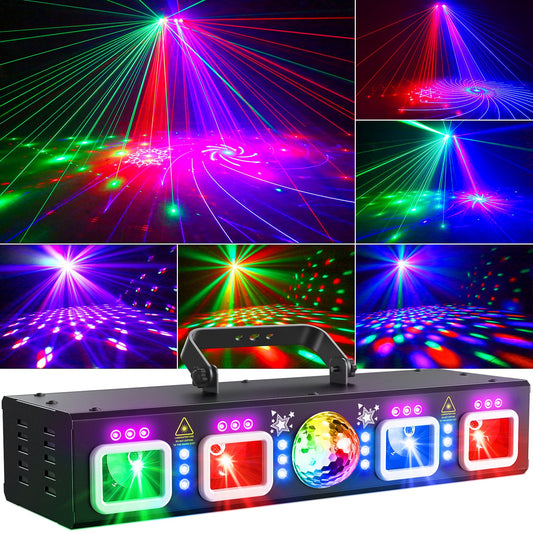
Agregar una luz de DJ con soporte para la luz principal de la mesa de cabecera y una LLuz de discoteca 6 en 1 de 2500 W para la pista de baile.
Producción completa: recepción más grande
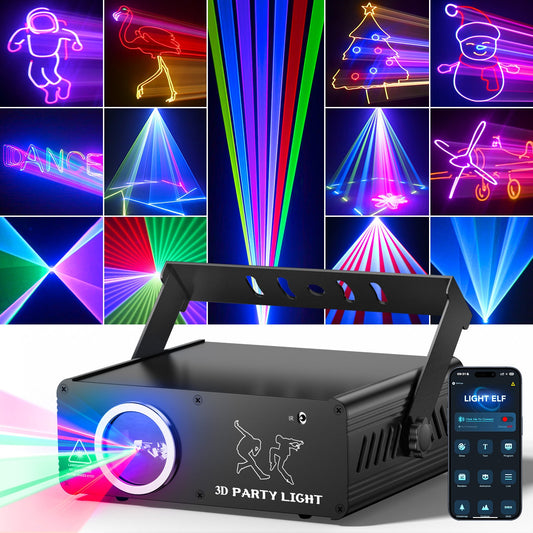
Escala las luces PAR a un anillo de iluminación ascendente completo, agrega L2400 luces láser RGB 3D para efecto animado, y haga funcionar todo el sistema en DMX a través de un LSistema de iluminación escénica 2700B 7 en 1.

Errores que conviene evitar
- Coloreando todo, siempre. La luz intensa es un condimento, no la comida en sí. Mantén la cena con una iluminación cálida y neutra.
- Subestimar el tiempo de preparación. Colocar y enfocar un sistema completo lleva más tiempo del que sugiere la prueba. Incorpore un margen de seguridad.
- Ignorando al fotógrafo. Una conversación de dos minutos con tu fotógrafo sobre la luz clave y el balance de blancos evita una galería de tonos de piel que no combinan.
- Un circuito para gobernarlos a todos. Consulte la sección "Energía" más arriba; este es el fallo más común que ocurre durante la noche.
Una lista de verificación para una planificación rápida
- Fotografía el lugar a la hora del evento con las luces encendidas.
- Enumere los circuitos y los puntos de montaje; tenga en cuenta los toques de queda y las normas sobre la contaminación atmosférica.
- Elige una base cálida, un color para la iluminación ascendente y un efecto para la pista de baile.
- Confirme el índice de reproducción cromática (CRI) y la temperatura de color de cualquier luminaria cercana a la pareja.
- Decida el modo de control: activado por aplicación/sonido para proyectos de bricolaje, DMX si se utiliza.
- Pesar cada soporte; encintar cada cable; llevar una pieza de repuesto.
Preguntas frecuentes
¿Necesito un diseñador de iluminación?
No es lo más adecuado para la mayoría de las bodas. Un sistema planificado de cuatro niveles con iluminación controlada por una aplicación es perfectamente factible para un DJ competente o una pareja que preste atención a los detalles.
¿Cuántas luces ascendentes necesito?
Una regla práctica es colocar una luz ascendente por cada 2,5 a 3 metros de pared que se desee iluminar, o una por cada elemento arquitectónico (columna, puerta, cortina). La calidad de la colocación es más importante que la cantidad.
¿Es seguro el humo en interiores?
Depende del lugar. Muchos prohíben los toques de queda por la presencia de humo o niebla. Pregunta primero; sin ellos, los efectos de los haces de luz son mucho menos visibles.
¿De verdad las lámparas que funcionan con pilas pueden durar toda la noche?
Los PAR recargables de KeoBin están diseñados para funcionar durante un tiempo prolongado con una sola carga; para una recepción prolongada, mantenga los cargadores en un circuito separado y rótelos si es necesario.
Conclusión
Una buena iluminación para bodas no se trata de tener la mayor cantidad de focos, sino de cuatro capas cuidadosamente diseñadas, colores cálidos y precisos donde importa, y equipos confiables que funcionen toda la noche. Empieza por la sala, planifica las capas y deja que el efecto llegue con el baile.
Explora la colección completa de iluminación KeoBin. para crear un montaje que se adapte a su espacio y a su velada.
Lecturas relacionadas
Si estás creando una configuración a partir de esta guía, estos análisis más detallados cubren los aspectos específicos:
- ¿Cuántas luces de fiesta necesito? La guía completa sobre el tamaño de la sala y la iluminación del escenario. — adaptar el tamaño del equipo al espacio disponible.
- Luces de fiesta activadas por sonido vs. DMX vs. controladas por aplicación — elegir el modo de control adecuado.
- ¿Qué son las luces PAR? Una guía para principiantes sobre la iluminación LED PAR. — el caballo de batalla de la iluminación de acento ascendente.
- Guía básica para configurar la iluminación DMX512 en eventos pequeños y fiestas en casa. — proyectar una imagen ensayada y repetible.
- Luz láser de discoteca vs. luz de bola de discoteca: ¿Cuál es mejor para tu fiesta? — seleccionar la capa de efectos para la pista de baile.
- Cómo sincronizar la música y las luces para una fiesta de cumpleaños. — Discoteca casera con ritmo sincronizado y sonido activo.
- Cómo usar luces láser para una fiesta en casa — un efecto compacto que llena la habitación.
- Luces recargables y a pilas para fiestas: Guía del comprador 2026 — cortar los cables en el lugar del evento.
Fondo: El temperatura de color Esta descripción general resulta útil para comprender las opciones de iluminación cálida y fría para bodas.